Choosing the Right Rear Loader for Your Business
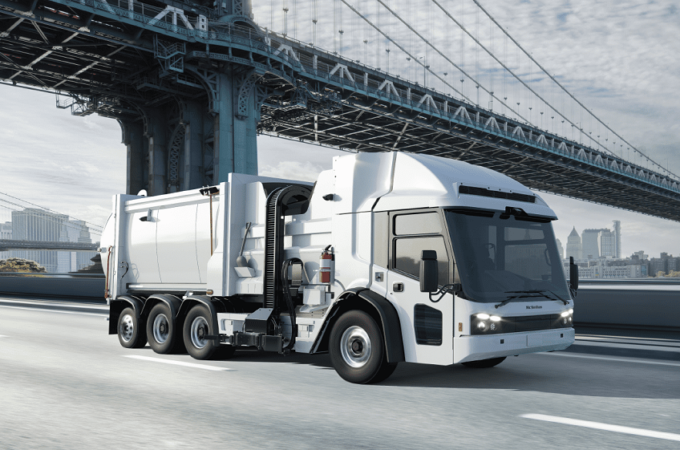
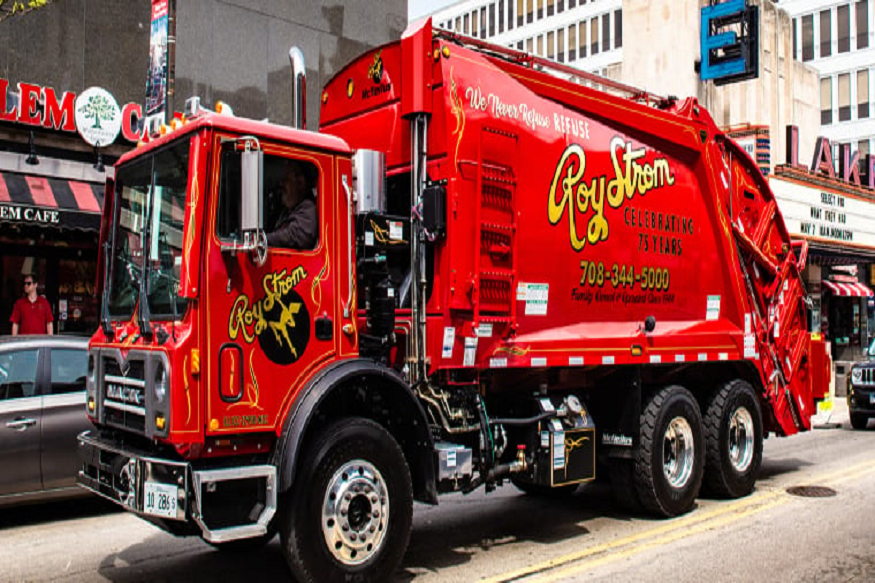
Selecting the right rear loader garbage truck for your business is a major decision that directly impacts operational efficiency, long-term costs, and service quality. Whether you manage a small sanitation company, a large waste management fleet, or a municipal collection department, understanding how to evaluate and choose the best rear loader is essential. This guide explains what to consider when selecting a rear loader garbage truck, the features that matter most, and why choosing a trusted brand like Atlantic Heavy Duty can make a substantial difference for your business.
Understanding Your Business Needs
Before exploring specific rear loader models or technical specifications, the first step is to clearly understand your business’s current and future needs. Some companies focus on residential waste collection, where routes involve frequent stops and moderate loads. Others may operate in commercial or industrial settings with heavier, bulkier waste materials. Without a clear analysis of the type of waste you collect, the terrain of your routes, and your daily volume, choosing a rear loader can result in over- or under-specifying equipment — both of which have financial consequences.
Evaluating historical waste volume, route length, expected service frequency, and workforce capacity will provide a foundation for selecting the right rear loader. Many businesses overlook these factors and end up facing issues such as lower payload capacity, frequent downtime, and inefficient compaction performance. By starting with your business context, you can narrow down models that best align with your operational demands.
The Role of Compaction Performance
One of the primary features that differentiate rear loader garbage trucks is their compaction performance. Compaction refers to the truck’s ability to compress waste inside the body so that larger volumes can be transported before unloading. Higher compaction ratios mean fewer trips to disposal facilities, less fuel consumption, and more efficient route execution.
For businesses with high-volume routes, a rear loader with a strong compaction system is critical. Models equipped with reinforced packer blades and powerful hydraulic systems — such as those offered by Atlantic Heavy Duty — help maximize payload capacity and reduce the frequency of landfill trips. Without sufficient compaction performance, a rear loader may fill up too quickly, forcing trucks back to disposal sites prematurely and increasing operating costs.
Choosing the Right Body Size
Rear loader garbage trucks come in a variety of body sizes, generally measured in cubic yards. Smaller rear loaders, such as 10–15 cubic yard bodies, work well for tight urban routes or light residential waste collection. Larger bodies, such as 20–25 cubic yards, are more suitable for high-density urban areas or commercial applications.
Choosing the correct body size involves balancing payload needs with maneuverability. Large body rear loaders carry more waste, but they can be harder to navigate in narrow streets or compact neighborhoods. Conversely, a smaller rear loader may require more trips if your daily volume consistently exceeds its capacity. Consulting with manufacturers like Atlantic Heavy Duty can help you determine the optimal body size based on your specific business routes and waste characteristics.
Evaluating Hydraulic System Quality
The hydraulic system powers the compactor mechanism in a rear loader. Its strength, reliability, and ease of maintenance directly affect overall performance. A hydraulic system that consistently delivers smooth compaction cycles ensures reliable daily operation and reduces mechanical stress on components.
Businesses should evaluate the quality of hydraulic pumps, cylinders, hoses, and valves when choosing a rear loader. Reputable manufacturers like Atlantic Heavy Duty design hydraulic systems with durable fittings and high-pressure capabilities to withstand continuous compaction cycles. A robust hydraulic system also minimizes downtime and expensive repairs, which is especially important for fleets that operate every day.
Durability and Construction Materials
The construction quality of a rear loader garbage truck significantly affects longevity and maintenance costs. Trucks working in harsh environments, frequent operations, or demanding routes require reinforced body structures made from high-tensile steel and corrosion-resistant materials. These rugged builds withstand heavy loads, rough roads, and frequent stop-and-go cycles.
Brand reputation matters here: trusted manufacturers invest in materials and engineering that enhance long-term durability. Atlantic Heavy Duty rear loader bodies, for example, use reinforced panels and durable packer assemblies to ensure reliable compaction and structural integrity. Investing in a quality rear loader reduces repair frequency, extends vehicle service life, and supports higher uptime — all of which benefit your business financially.
Operator Comfort and Safety Features
Daily waste collection is physically demanding work, and operator comfort and safety should be a priority when choosing a rear loader. Comfortable seating, ergonomic controls, and good visibility from the cab reduce operator fatigue, which in turn enhances productivity and safety.
Modern rear loader designs also include safety features such as rear-view cameras, motion sensors, backup alarms, and emergency stop controls. These help crews operate more confidently and avoid accidents. Choosing a rear loader with comprehensive safety and comfort features increases worker satisfaction and reduces the likelihood of injuries and related costs.
Maintenance and After-Sales Support
No matter how well a rear loader is built, it still requires regular maintenance to perform at peak levels. Choosing a model with easy access to critical components, clear service intervals, and widely available parts makes maintenance more manageable. A well-designed truck lets technicians reach hydraulic lines, packer blades, and electrical systems without extensive disassembly.
Another major factor is after-sales support from the manufacturer. Atlantic Heavy Duty, for instance, provides technical assistance, parts availability, and documentation to help businesses maintain truck performance and address issues promptly. Strong after-sales support reduces repair delays and keeps your fleet on the road.
Aligning Budget with Long-Term Value
While cost is an important consideration, choosing a rear loader should not be based solely on the lowest purchase price. A cheaper truck with inferior materials, lower compaction power, or weak hydraulic systems may cost less upfront but result in higher operating expenses over time. Instead, focus on the total cost of ownership: initial purchase, maintenance, fuel usage, downtime, and resale value.
Investing in a high-quality rear loader from a reputable brand like Atlantic Heavy Duty often pays off in the long run. These trucks typically offer better durability, stronger performance, and better resale value — making them a smarter choice for businesses that prioritize long-term reliability.
Final Thoughts
Choosing the right rear loader for your business demands careful evaluation of your operational needs, route characteristics, compaction requirements, and long-term service expectations. The compaction system, hydraulic performance, body size, durability, and safety features all contribute to how effectively a rear loader performs daily tasks.
Partnering with a trusted brand such as Atlantic Heavy Duty ensures that you receive a truck engineered for reliability, supported by strong after-sales service, and capable of handling demanding waste collection tasks. By focusing on quality, performance, and long-term value, your business will be better equipped to manage waste collection with confidence and efficiency.