Boat on Dry Land, High Stakes: What Premium Boat Storage Near Calgary Really Demands
If you’ve invested in a boat, you already understand it’s not just a recreational purchase—it’s a precision-built asset. What often gets overlooked is that its most vulnerable phase isn’t on the water, but off it. Storage, when done right, becomes less about space and more about controlled preservation.
1. Boat Storage Space That Respects Movement, Not Just Parking
Let’s start with something practical—you’re not just storing a boat, you’re storing a trailer system with real turning dynamics.
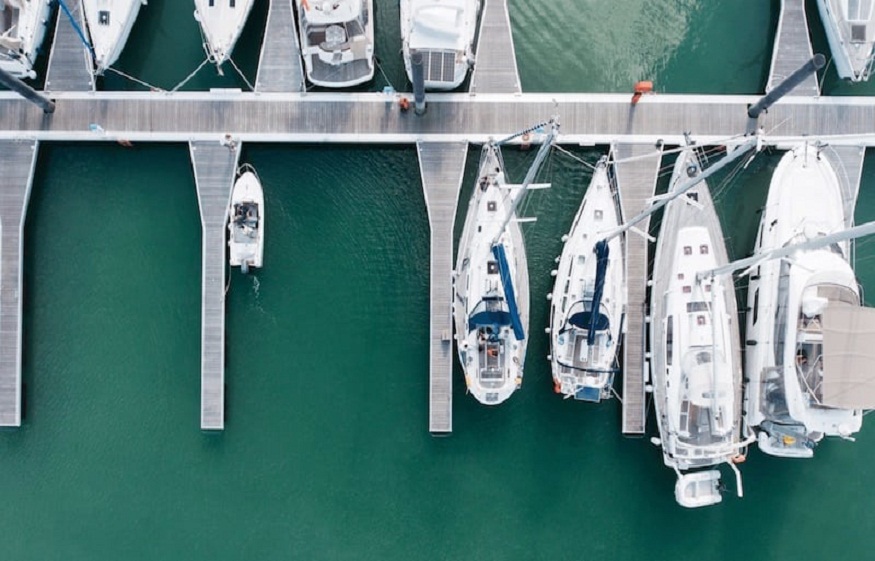
Premium facilities for Boat Storage NearOkotoks approach layout differently, with solutions like 12-foot-wide stalls as a baseline that:
- Accommodates trailer swing radius
- Prevents contact with adjacent units during parking or retrieval
- Allows safe handling of outboard motors and extended platforms
Critical operational advantage for such include:
- Full access for shrink-wrapping or seasonal covers
- No rushed maneuvering that leads to avoidable damage
For owners and fleet managers alike, this is about minimizing risk during every interaction—not just when the boat is stationary.
2. Ground Integrity: Protecting the Hull from Below
Here’s where many storage setups quietly fail. The ground beneath your trailer directly influences hull stress over time.In regions with aggressive freeze-thaw cycles, uneven surfaces introduce:
Read More : UTAH ASPHALT CONTRACTOR: PAVING AND MAINTENANCE SOLUTIONS
- Frame twisting
- Uneven load distribution
- Long-term gel coat stress
Premium storage solutions counter this with intention, by leveraging high-compaction, level substrates that help achieve the following:
- Stabilize the trailer’s three-point stance
- Prevent gradual structural misalignment
- Reduce pressure points along the hull
Why this matters:
You’re preserving alignment at a structural level. Over months, that consistency prevents micro-damage that would otherwise surface as costly repairs.
3. Environmental Positioning: Choosing Cleaner Air over Convenience
This shifts the focus from simple physical security (locks and fences) to the chemical and biological safety of the vessel’s environment.You might not see it immediately, but the air surrounding your stored boat is constantly interacting with its surfaces.
Urban storage environments often expose vessels to:
- Metallic dust from traffic
- Salt residues
- Industrial particulates that bond with finishes
Strategic facilities shift location, not just service. Foothills or rural siting offers:
- Reduced airborne contaminants
- Lower corrosion rates on metal components
- Cleaner airflow through vents and compartments
Essentially, premium boat storage is a strategic facility is a preservation strategy that pays for itself in reduced repair bills.
4. Thermal Management: Preserving what’s Inside the Boat
While the hull gets most of the attention, seasoned owners know the interior carries just as much value—sometimes more.
Cold exposure in Alberta can quietly degrade:
- Vinyl seating (becoming brittle)
- Electronics and control systems
- Stored accessories and fabrics
Modern storage providers address this through hybrid or indoor solutions:
Read More : SAVE TIME AND HASSLE WITH LSVS ON CLUB GROUNDS
- Heated indoor units for sensitive components
- Dedicated storage for cushions and electronics
- Stable temperature zones that prevent material fatigue
Result:Interiors remain flexible, functional, and visually intact—ready for immediate use rather than restoration.
In essence, premium boat storage isn’t defined by amenities—it’s defined by foresight. When every detail, from ground stability to environmental exposure, is engineered with intent, your vessel doesn’t just endure the off-season. It retains its value, its performance, and its readiness for the water ahead.