Where to Find a Reliable McNeilus Rear Loader for Sale
Finding the right refuse collection truck is an important step for municipalities, waste management companies, and commercial collection businesses. A suitable vehicle can help maintain collection schedules, handle daily workloads, and support long-term fleet operations. However, purchasing a refuse truck involves more than finding an available vehicle at an attractive price. Buyers must consider its configuration, body capacity, chassis, condition, service history, and supplier support.
Businesses searching for a McNeilus rear loader should begin by identifying their collection requirements. Once those needs are clear, they can compare available models and determine which vehicle is appropriate for their routes.
Start by Defining Your Collection Requirements
Before contacting suppliers, establish how the truck will be used. Residential collection routes may involve frequent stops, household carts, and narrow streets. Commercial operations may handle larger containers and heavier materials. Recycling programs may require separate compartments for different waste streams.
Consider the average amount of refuse collected each day, the type of material, route length, container sizes, unloading locations, and operating hours.
These details help narrow the search and prevent businesses from spending time evaluating trucks that are not suitable for their work.
Understand the Available McNeilus Configurations
McNeilus offers several rear loader configurations for different applications.
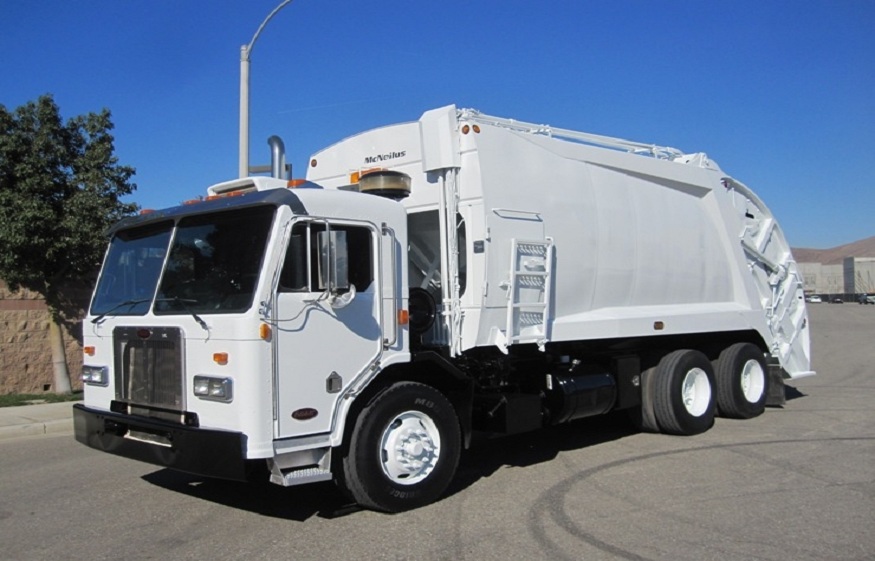
The standard rear loader is designed for residential and commercial routes. The Heavy Duty model provides additional compaction capability for more demanding collection work. Extra Compaction configurations are intended for tougher commercial and demolition-related applications.
Tag axle models may be relevant where payload distribution and weight restrictions need special consideration. Split-body configurations are designed to support dual-stream collection.
Buyers should compare these options with their actual requirements. A specialized configuration may be valuable for one business but unnecessary for another.
Compare Body Capacities
Body capacity is one of the most important specifications to review. Atlantic Heavy Duty lists standard McNeilus rear loader capacities of 17, 20, 25, 28, and 32 cubic yards. Heavy Duty models are listed in 20-, 25-, 28-, and 32-cubic-yard sizes.
Extra Compaction and tag axle models have selected capacity options, while split-body models are listed in 25- and 32-cubic-yard configurations.
A larger body can hold more refuse by volume, but it does not automatically allow a truck to carry more weight legally. Waste density, chassis ratings, axle limits, and local regulations must also be considered.
Businesses should compare the truck’s capacity with their actual collection records.
Decide Which Compaction Option Is Appropriate
Compaction capability affects how refuse is compressed inside the body.
A standard rear loader may be suitable for many residential and light commercial operations. Heavy Duty and Extra Compaction models are designed for applications requiring additional packing capability.
Atlantic Heavy Duty describes its Extra Compaction configuration as suitable for commercial use and demolition stops. The XXC package includes additional features such as a thicker body floor and reinforced load edge.
Buyers should review the specifications for the exact model and discuss the intended material with the supplier. The chosen configuration must also remain within legal vehicle weight limits.
Look at New and Used Vehicles
A new truck may offer a selected configuration, current equipment, and applicable warranty coverage. A used truck may have a lower initial purchase price or be available sooner.
The condition of a used vehicle is especially important. Buyers should request maintenance records, operating history, repair documentation, and inspection information.
Important areas to examine include the engine, transmission, chassis, hydraulic system, packing mechanism, hopper, body floor, tailgate, tires, brakes, and electrical controls.
A qualified inspection can help identify potential repair costs before the purchase is completed.
Confirm Chassis Specifications
The chassis must be compatible with the refuse body and suitable for the expected payload.
Atlantic Heavy Duty lists chassis options from manufacturers such as Freightliner, Peterbilt, Kenworth, Mack, Autocar, Battle Motors, and International for its McNeilus rear loader range.
Available combinations depend on the model and configuration.
Buyers should confirm gross vehicle weight rating, axle ratings, wheelbase, engine, transmission, cab arrangement, and local road requirements. They should also consider whether service and replacement parts are accessible in the areas where the truck will operate.
Review Maintenance and Service Support
A refuse truck requires regular servicing throughout its working life. Before buying, ask about recommended maintenance intervals, parts availability, warranty coverage, and access to qualified technicians.
McNeilus highlights maintenance-oriented features such as fewer lubrication points and self-lubricating slide shoes on applicable configurations. These features may simplify certain service tasks, but they do not eliminate routine maintenance.
For used trucks, ask about previous hydraulic repairs, component replacements, body repairs, and any recurring mechanical or electrical issues.
Evaluate the Supplier
A reliable supplier should provide clear information about the truck’s specifications, configuration, condition, and purchase terms.
Buyers should ask whether the vehicle is new or used, what equipment is included, whether an inspection report is available, and what warranty arrangements apply.
They should also confirm delivery arrangements, financing options, and the availability of parts and service support.
Clear communication can help buyers avoid misunderstandings and compare vehicles on a consistent basis.
Why Consider Atlantic Heavy Duty?
Atlantic Heavy Duty provides McNeilus rear loader product information, current inventory access, parts support, and service information. Its product range includes standard, Heavy Duty, Extra Compaction, tag axle, and split-body configurations.
The company encourages prospective customers to work with a regional account manager to discuss their requirements and available options.
Businesses searching for a McNeilus rear loader for sale can review the product configurations and explore current inventory through Atlantic Heavy Duty. Buyers should confirm availability and exact vehicle specifications directly with the supplier because inventory can change.
Calculate the Total Cost of Ownership
The purchase price should not be the only financial consideration. Fuel, insurance, registration, financing, maintenance, tires, repairs, and potential downtime all contribute to ownership costs.
A lower-priced used truck may require expensive repairs or may not suit the intended route. A more expensive vehicle may offer better value if its configuration, condition, and support arrangements meet the business’s needs.
Comparing expected costs over the planned ownership period can provide a clearer picture of the investment.
Inspect Before Committing
Before completing a purchase, review the specification sheet and arrange a physical inspection where possible.
Check that the body, packing mechanism, hydraulic system, chassis, and safety equipment are appropriate for the intended work. For used vehicles, ask a qualified technician to assess major components and identify outstanding repair requirements.
Confirm that the truck complies with applicable regulations and that the business can arrange operator training.
Conclusion
Finding a reliable McNeilus rear loader requires careful research and a clear understanding of collection needs. Buyers should compare configurations, body capacities, compaction options, chassis specifications, vehicle condition, maintenance history, and supplier support.
Atlantic Heavy Duty provides information and inventory resources for businesses exploring McNeilus rear loaders. By reviewing the available options and confirming all specifications before purchasing, fleet managers can make a more informed decision and select equipment suited to their waste collection operations.