Building a Simple Home Car Workshop: What You Actually Need
You don’t need a full garage to do your own basic maintenance
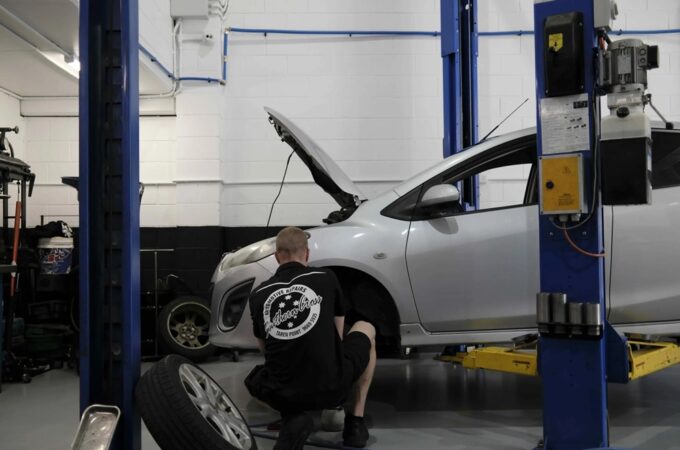
Plenty of straightforward car maintenance, oil changes, brake pad checks, topping up fluids, swapping wiper blades, doesn’t require a professional setup, just a reasonably organised space and the right basic tools. A corner of a garage, a shed, or even a tidy section of a driveway with a tool chest can cover most of what the average UK driver needs to do themselves, saving a fair amount on labour costs for routine jobs over a year.
The key is being deliberate about what goes into that space rather than accumulating tools randomly over time. A well-thought-out basic setup, built once, tends to be more useful than a drawer full of tools bought individually as each specific need came up.
The core tool set worth starting with
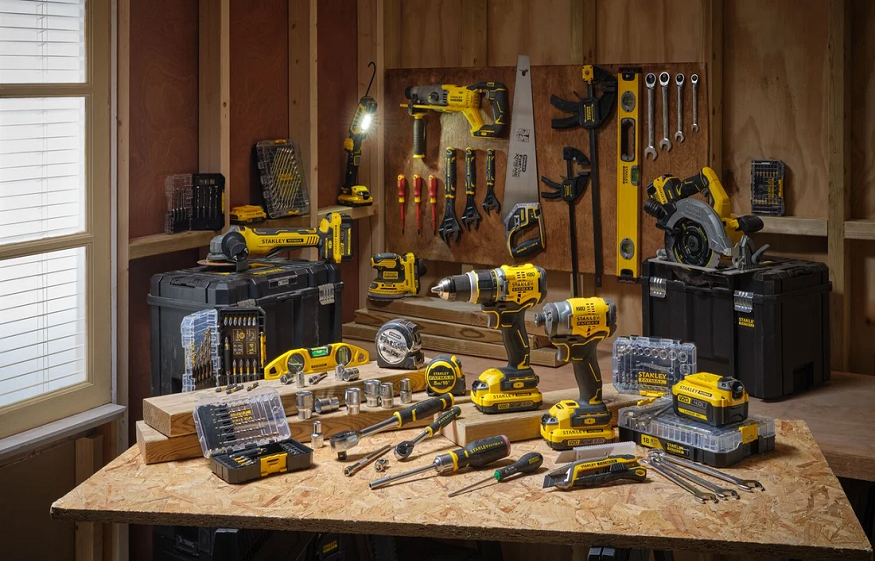
A decent socket set, a torque wrench, a set of screwdrivers, pliers, and a reliable trolley jack with axle stands cover the large majority of basic maintenance jobs. It’s worth spending a little more on the jack and stands specifically, these are the one category where cutting corners is a genuine safety risk, not just a quality-of-life issue.
CarSmart’s tools and workshop range is built around exactly this kind of core kit, with a few starter bundles that work out more cost-effective than buying each tool separately as you discover you need it.
Maintenance supplies worth keeping stocked
Beyond tools, a basic home workshop benefits from keeping a small stock of consumables on hand rather than making a special trip every time something needs topping up, engine oil of the right spec for your car, screenwash, coolant, and a set of common fuses are the main ones. None of these go off quickly, so there’s little downside to keeping a bit extra in stock.
CarSmart’s car maintenance section covers these consumables alongside the tools, which makes it easier to check your car’s handbook for the right spec and order everything in one go rather than piecing it together from different places.
Safety shouldn’t be an afterthought
Working under or around a car at home carries real risk if it’s not done properly, a jack that slips, a battery that’s handled incorrectly, or simply not being seen clearly in a dim garage are all avoidable problems. Axle stands should always be used in addition to a jack, never instead of one, and a decent pair of gloves and safety glasses are worth the small cost for the protection they offer.
A quick look through CarSmart’s safety and PPE range covers the basics, gloves, eye protection, and a decent work light, that turn a risky DIY job into a straightforward one.
Organisation makes the biggest difference day to day
A tool chest or wall-mounted storage system, even a basic one, saves a surprising amount of time compared with tools scattered across a bench or kept loose in a box. Being able to see at a glance what you have, and more importantly, what’s missing after the last job, avoids both wasted time searching and the quiet cost of tools that have gone astray.
Finding the space, even in a small home
Not everyone has a garage, and that’s not actually a dealbreaker, a decent driveway, a carport, or even a section of a shed cleared out and organised properly can serve the same purpose for the kind of basic maintenance covered here. What matters more than square footage is a flat, stable surface for jacking the car safely, reasonable shelter from the weather, and somewhere secure to store tools so they’re not walking off or rusting from damp over winter.
Read More: WHAT MAKES A MECHANIC TRUSTWORTHY? KEY QUALITIES TO LOOK FOR
A simple wall-mounted pegboard or a modest rolling tool chest both work well in a tighter space, and either keeps tools visible and accessible without needing a dedicated room. The goal isn’t to replicate a professional garage, it’s to have a consistent, organised spot that makes basic jobs straightforward rather than a production every time.
Knowing which jobs to leave to a garage
A home workshop is genuinely useful for routine maintenance, but it’s worth being honest about where the line sits. Anything involving the car’s electronics, airbags, or safety-critical systems like brakes beyond a basic pad check is usually better left to a qualified garage, both because specialist diagnostic equipment is often needed, and because the margin for error on these systems is simply too high to be worth the saving. A sensible home setup complements a garage relationship rather than replacing it entirely.
The same goes for anything covered by a manufacturer warranty, doing certain jobs yourself can, in some cases, affect warranty cover, so it’s worth checking the terms before taking on anything beyond routine servicing on a newer car.
Lighting and workspace matter more than people expect
It’s easy to focus entirely on tools and overlook the basics of the space itself, but good lighting makes a genuine difference to both the quality and safety of DIY maintenance work. A dim garage hides exactly the kind of small details, a hairline crack, a loose connector, a slow leak, that you’re trying to catch. A decent work light, ideally one that can be positioned under the car rather than just overhead, is a small investment that pays off on almost every job.
A reasonably clear, uncluttered floor area matters too, particularly once a jack and axle stands are involved, tripping over a stray tool while working underneath a car is a genuinely avoidable risk that good organisation removes almost entirely.
Start small and build the kit as you go
There’s no need to buy everything at once. A sensible approach is to start with the core tool set and safety basics, then add specific items, a code reader, specialist sockets, a battery charger, as particular jobs come up. Built this way, a home workshop grows into exactly what you actually use, rather than a collection of tools bought on a single big order and left mostly untouched.
Read More: OFF-ROADING ENTHUSIAST DAVID VEPRASKAS ON GEORGIA’S GROWING TRAIL RIDING CULTURE
Over a year or two, a modest, well-chosen set of tools and consumables tends to pay for itself many times over in garage labour saved on routine jobs, and for plenty of people, there’s a genuine satisfaction in doing competent, basic maintenance on a car themselves rather than outsourcing every small job.