What Buyers Should Know Before Purchasing McNeilus Refuse Trucks
Purchasing a refuse truck is an important investment for waste management companies, municipalities, and commercial sanitation businesses. These vehicles handle demanding collection activities every day, making reliability, capacity, maintenance requirements, and operating efficiency essential considerations. Choosing the right truck can help businesses manage collection schedules, control operating expenses, and provide dependable waste management services. McNeilus refuse trucks are available in different configurations, allowing buyers to consider equipment that matches their specific operational requirements.
Understand Your Waste Collection Requirements
Before purchasing a refuse truck, buyers should understand the type of collection work the vehicle will perform. Residential waste collection, commercial container pickup, and municipal sanitation services can involve very different operating conditions.
Residential routes often include frequent stops, narrow streets, and smaller waste containers. Commercial collection may involve larger containers, heavier loads, and specialized loading requirements. Understanding these differences helps buyers select an appropriate truck configuration.
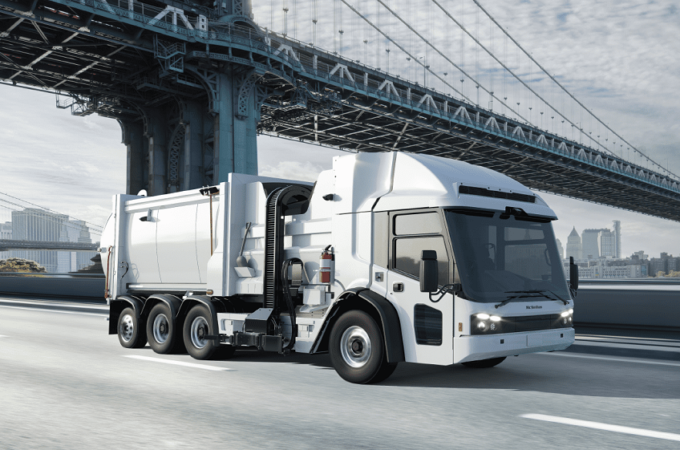
McNeilus offers front loaders, rear loaders, and side loaders designed for different waste collection applications. Buyers should compare these options according to their collection methods, service areas, and daily workloads.
Compare Available Truck Configurations
Truck configuration is one of the most important purchasing decisions. Each loading arrangement has specific advantages depending on the type of waste collection operation.
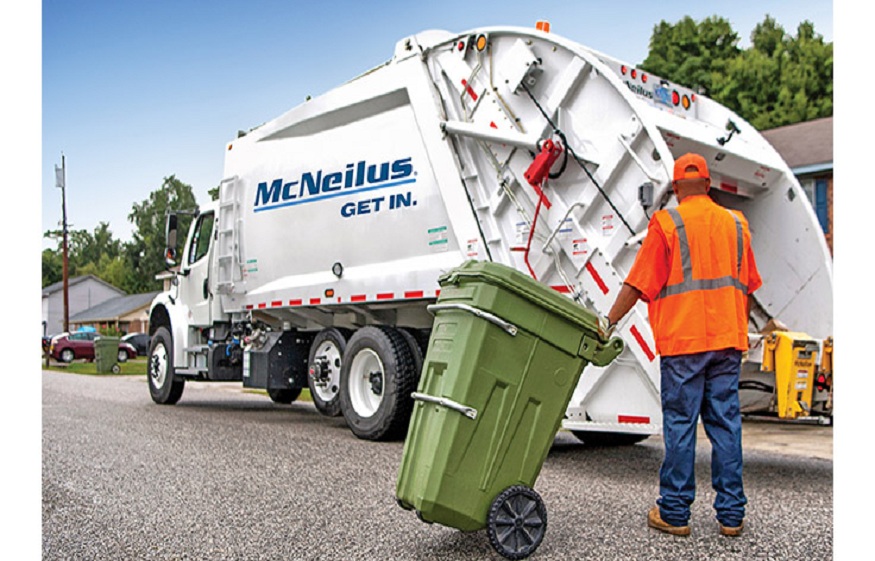
Front loaders are commonly used for commercial collection because they can lift compatible containers from the front. Rear loaders are widely used for residential and light commercial routes. Side loaders, including automated configurations, can help operators collect compatible curbside containers using mechanized equipment.
Read More: CHOOSING THE RIGHT REAR LOADER FOR YOUR BUSINESS
Buyers should consider the number of collection stops, container compatibility, road width, and available crew members when comparing different configurations. Selecting the wrong arrangement can create unnecessary operating challenges.
Evaluate Capacity and Vehicle Specifications
Vehicle capacity directly affects how a refuse truck performs throughout a collection route. A truck with insufficient capacity may require additional trips to disposal facilities, while an unnecessarily large vehicle may increase purchasing and operating expenses.
Buyers should evaluate body capacity, payload limitations, chassis specifications, axle ratings, and applicable weight regulations. They should also consider the type and density of waste being collected because different materials can create different loading demands.
When comparing McNeilus refuse trucks, it is important to review the complete vehicle specification rather than focusing only on the collection body. The chassis, engine, transmission, suspension, and other supporting systems must be appropriate for the intended workload.
Consider New and Used Vehicle Options
Businesses may choose between new and used refuse trucks depending on their budgets and operational requirements. New vehicles generally provide the opportunity to select specific configurations and may include manufacturer warranties. Used trucks can offer lower initial purchase costs, but buyers need to evaluate their condition carefully.
Before purchasing a used vehicle, inspect the engine, transmission, hydraulic equipment, compaction mechanism, chassis, tires, and electrical systems. Reviewing maintenance records can help identify previous repairs and recurring mechanical problems.
Buyers should also request a professional inspection and, where possible, test the vehicle under realistic operating conditions. A lower purchase price does not necessarily mean a lower total cost of ownership.
Review Maintenance and Replacement Requirements
Refuse trucks operate under demanding conditions, so regular servicing is necessary to maintain dependable performance. Buyers should understand the manufacturer’s maintenance recommendations and estimate the expenses associated with routine servicing.
Important maintenance areas include hydraulic systems, loading mechanisms, brakes, tires, electrical components, and structural parts. The frequency of servicing may depend on operating hours, route conditions, and workload.
Access to compatible McNeilus companies resources and equipment support can be an important consideration when researching the ownership and maintenance of these vehicles. Buyers should also investigate the availability of genuine replacement components and qualified technicians.
Investigate Dealer and Service Support
Dealer support can influence the overall ownership experience. Businesses need access to technical assistance, parts, warranty information, and repair services when their vehicles require attention.
Ten-8 Industrial is part of the McNeilus independent dealership network and supports refuse and recycling vehicle customers in Alabama, Florida, Georgia, and Mississippi. Its services include vehicle sales, parts, maintenance, and technical support.
Buyers in the supported region can evaluate Ten-8 Industrial when researching available McNeilus equipment and service options. Before purchasing, they should confirm the availability of the required model, service coverage, delivery arrangements, and warranty details.
Calculate the Total Cost of Ownership
The purchase price is only one part of the financial commitment involved in buying a refuse truck. Fuel, insurance, maintenance, repairs, replacement components, and employee training all contribute to long-term ownership costs.
Buyers should estimate these expenses before making a final decision. Comparing several vehicle configurations can reveal differences in operating costs and maintenance requirements.
Businesses should also consider expected annual mileage, collection hours, fuel consumption, and anticipated vehicle lifespan. A truck that meets operational needs without requiring excessive maintenance may provide better long-term value than a less expensive but unsuitable alternative.
Examine Safety and Operator Requirements
Safety should remain a priority when selecting refuse collection equipment. Drivers and collection crews work around moving vehicles, heavy containers, mechanical loading systems, and busy public roads.
Buyers should review available visibility features, warning systems, cameras, mirrors, lighting, and other safety equipment. They should also consider cab comfort and control accessibility because operators may spend several hours in the vehicle each day.
Proper employee training is essential after purchasing a truck. Drivers and technicians should understand the equipment’s operating procedures, safety requirements, and recommended maintenance practices.
Ask About Technology and Future Requirements
Modern refuse trucks may include technology that supports vehicle monitoring, collection operations, and maintenance planning. Depending on the selected configuration, buyers may be able to evaluate telematics, camera systems, and other available equipment.
Technology requirements should be based on actual business needs. Companies managing larger fleets may benefit from vehicle monitoring and operational data, while smaller businesses may prioritize straightforward equipment and serviceability.
Read More: MAXIMIZING ROI WITH MCNEILUS REFUSE TRUCKS
Buyers should also consider whether their collection requirements may change in the future. Selecting a suitable configuration can help businesses prepare for new service contracts and expanding collection areas.
Conclusion
Purchasing a refuse truck requires careful consideration of capacity, configuration, maintenance, safety, dealer support, and long-term operating costs. McNeilus refuse trucks offer different options for businesses serving residential, commercial, and municipal waste collection markets.
Before making a purchase, buyers should compare vehicle specifications, inspect available equipment, and evaluate the support offered by authorized dealers. Researching McNeilus companies and their available equipment solutions can also help businesses understand the wider market. With proper planning and reliable dealer support from providers such as Ten-8 Industrial, buyers can make informed decisions and select refuse trucks that meet their operational needs.